Hip
The hip joint serves as a crucial nexus between your thigh bone (femur) and hip bone (pelvis), standing as one of the largest joints in your body, secondary only to the knee. It plays a pivotal role in connecting your torso (axial skeleton) to your lower legs, thereby acting as a linchpin for numerous bodily movements and functions.
Arthroscopic Treatment for
Femoroacetabular Impingement (FAI) - Cam Excision
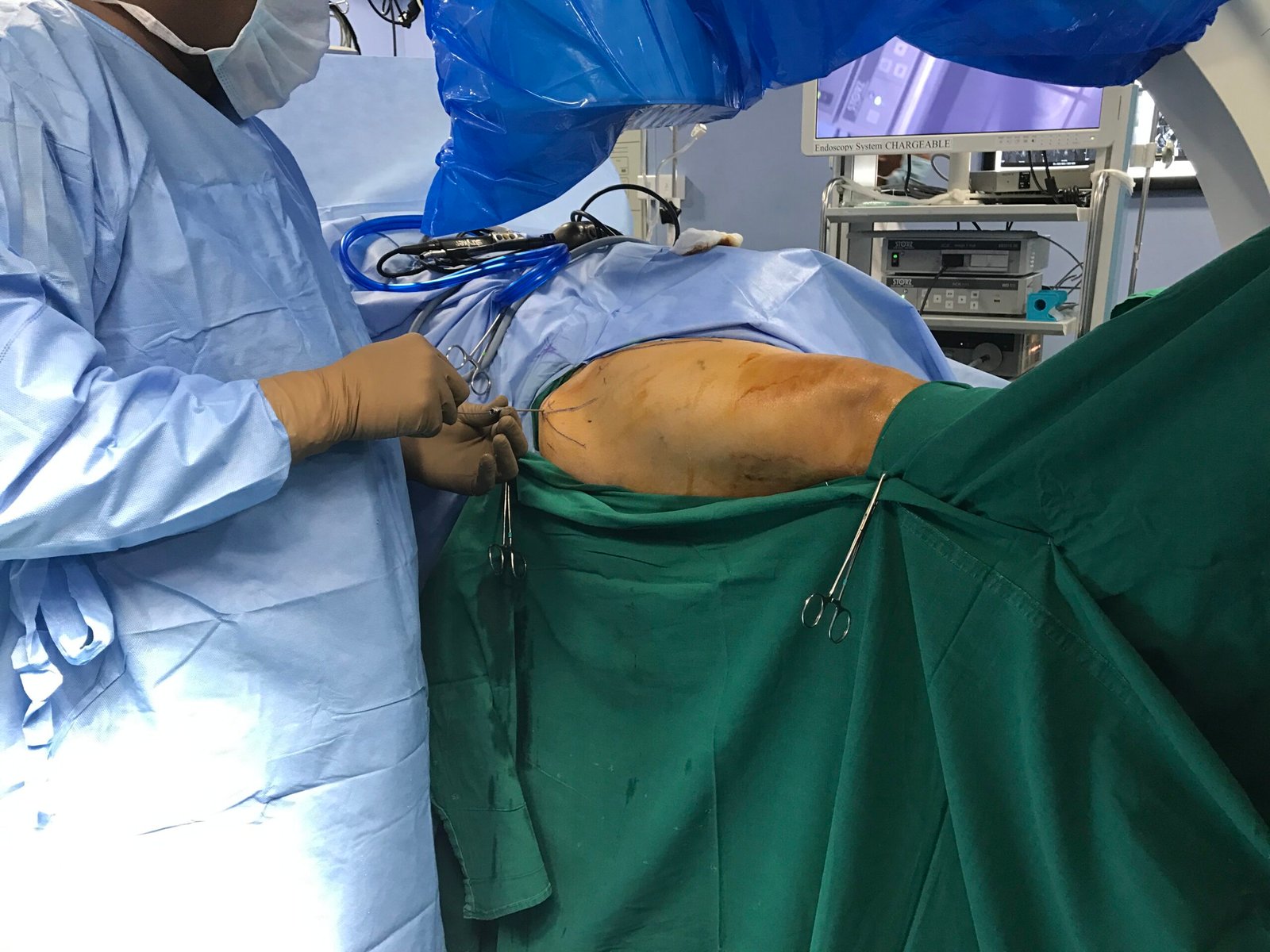
Femoroacetabular impingement is a condition where the bones of the hip are abnormally shaped, causing them to rub against each other and result in damage to the joint. A cam impingement is a specific type of FAI where the femoral head is misshapen. Cam excision is an arthroscopic procedure aimed at reshaping the femoral head to prevent it from rubbing against the acetabulum. This minimally invasive procedure allows for precise excision of the bone, alleviating impingement and associated pain.
Labral Tears - Labral Repair
The labrum is a type of cartilage found in the hip joint that acts as a cushion and helps hold the femoral head within the acetabulum. A tear in the labrum can cause pain and instability in the hip joint. Labral repair is an arthroscopic procedure that aims to repair the torn labrum and restore its normal function. Surgeons use arthroscopic techniques to access the hip joint, identify the extent of the tear, and suture the torn areas back together.
Synovial Disorders - Synovectomy
Synovial disorders in the hip joint can cause inflammation and pain. These disorders may be due to conditions like synovial chondromatosis or inflammatory arthritis. A synovectomy is an arthroscopic procedure that involves the removal of the inflamed synovial tissue from the joint to alleviate symptoms. The minimally invasive nature of arthroscopic synovectomy allows for a quicker recovery and less post-operative pain compared to traditional open surgery.
FAQ's
Absolutely, some of the cases of hip pain can be treated with rest, medicine, exercise, and physiotherapy. In the event of the issue being within the joint, arthroscopy may be recommended.
Absolutely, physiotherapy is useful after having a hip replacement. It aids in the patient’s improved ability to walk, get around safely and resume daily living.
In some stable cases, hip fracture treatment without surgery may be possible. The doctor decides this after checking the fracture, age, and overall health.
Yes, hip replacement surgery is safe when done by experienced surgeons. Performed most often to ease pain and enhance hip motion.
The hip replacement surgery cost varies depending on the hospital, implant, room type, and patient condition. For the exact hip replacement surgery cost in Mumbai, a proper consultation is needed.