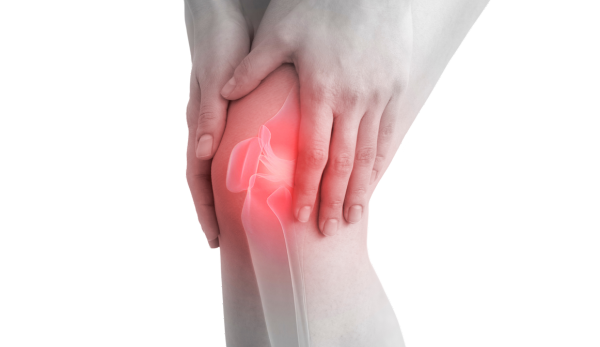

It is difficult to get through the day with shoulder pain. Even simple things like picking up objects, reaching overhead or sleeping well can become problematic when the shoulder joint gets damaged. Long term pain and loss of mobility in the shoulder can result due to injuries like arthritis, trauma or serious damage to tissues such as broken bone on one side of a dislocated shoulder, fractured bone joint.
Surgery is often the best course of action when conservative measures have failed in all but the most advanced cases. It is where experienced total shoulder replacement surgeons are an asset to return the shoulder joint function and quality of life.
This guide will help you to understand how modern shoulder replacement procedures work, when they’re needed, and what factors to weigh in order to choose the right surgical care. What would you say to the world when they might ask for treatment?
Understanding the Shoulder Joint
The shoulder is the most mobile joint in the human body. It is a ball and socket joint, where the top of the upper arm bone fits into the shoulder blade. This construction allows the arm to move.
However, due to its intricate structure, the shoulder joint is prone to injuries and degenerative diseases. Arthritis, trauma, sports injuries and age-related wear and tear are common conditions that can damage the joint.
Injury like shoulder bone break, dislocated shoulder fracture or a fractured joint in the shoulder can be an excruciating experience restricting movement. In those cases, conservative treatments may not suffice and surgery is required.
What is Shoulder Replacement Surgery?
Shoulder Replacement Surgery: In shoulder replacement, the damaged parts of the joint are removed and replaced with artificial components known as prosthetics. The aim is at relieving pain and returning to normal shoulder function.
This operation is performed by a highly trained total shoulder replacement surgeon when the joint is grossly destroyed, as in arthritis, injury or chronic instability cases.
In both, the surgeon removes the worn-out ball part of the joint and replaces it with a metal implant; they then replace the socket with a smooth plastic surface. This artificial joint aids in restoring mobility and reduces pain to a large extent.
The procedure is extremely beneficial for patients with severe arthritis, repeated shoulder injuries, or complications such as dislocation treatment shoulder conditions.
Conditions That May Need Shoulder Replacement
Shoulder replacement is usually indicated when other treatments do not relieve pain. The most widespread conditions include:
Severe Osteoarthritis
Osteoarthritis leads to cartilage breakdown inside the shoulder joint. Over years, the bones rub on each other, causing pain, stiffness and loss of movement. This is why patients turn to experienced total shoulder replacement surgeons.
Rheumatoid Arthritis
Rheumatoid arthritis is an autoimmune disease that attacks the sac lining of joints. The inflammation slowly eats away at cartilage and bone, turning shoulder movement painful.
Complex Fractures
Trauma due to broken shoulder bones or fractured shoulder joints can damage the muscles, tendons and ligaments are so severely torn that they cannot be repaired with simple surgical techniques. In these circumstances the most effective treatment can be a shoulder replacement.
Chronic Shoulder Instability
Recurrent dislocations may eventually ruin the joint structure. Advanced surgical options may be necessary for these conditions, particularly in those with severe instability or dislocated shoulder fracture situations.
Types of Shoulder Replacement Surgery
Shoulder replacement procedures vary according to the severity of damage and patient condition. The best option for total shoulder replacement is decided after extensive diagnosis by experienced surgeons.
Total Shoulder Replacement
This is the procedure most people have. Both the ball and cup parts of the joint are replaced with artificial components. It offers superb pain relief and recovers mobility in patients with destroyed joints.
Partial Shoulder Replacement
During this procedure, only the damaged ball part of the joint is replaced and the socket stays intact. It is generally used for fractures or local injury.
Reverse Shoulder Replacement
In more complex cases, where the rotator cuff muscles are irreparably destroyed, reverse shoulder replacement may be indicated. The ball and socket are reversed to add stability to shoulder motion.
Signs You Might Need Surgery
You should see experienced total shoulder replacement surgeons if you have the following:
- Constant shoulder discomfort even when at rest
- Pain in the shoulder, especially with movement
- Limited range of motion or significant stiffness
- Pain that interferes with sleep
- Joint weakness or grinding feeling
Surgical evaluation may also be necessary for patients with shoulder bone broken, fractured shoulder joint or severe dislocated shoulder fracture.
Why Choosing the Right Surgeon Matters
Shoulder replacement is a complicated orthopedic procedure that involves high precision and expertise. Selecting seasoned total shoulder replacement surgeons enhances surgical results and minimizes complications.
A good surgeon reviews your medical history, imaging studies and physical exam before making a recommendation for best treatment.
Nagraj Shetty is a well-experienced orthopedic surgeon with expertise in advanced arthroscopy, shoulder surgery, and joint replacement surgeries. Patients can discover innovative therapy approaches and schedule to receive professional treatment on www.
The website arthroscopysurgerymumbai.com offers shoulder injuries details as well as comprehensive information related to surgical treatment of injuries with an ultimate guide for patients that are seeking orthopedic procedures.
The Shoulder Replacement Procedure
The procedure is typically done under general anesthesia and generally lasts one to two hours.
The surgeon starts by making a small incision in the shoulder to reach the troubled joint. It is cleaned of the worn out bone and cartilage. This is when artificial implants are placed to recreate that ball and socket joint.
This is further improved by advanced surgical techniques employed by skilled total shoulder replacement surgeons, ensuring an optimal joint alignment and stability of the prosthetic joint.
When the implants are positioned correctly, the incision is closed and the shoulder put into a protective sling.
Recovery and Rehabilitation
An important component of a successful shoulder replacement surgery is recovery. Patients spend only a few days in the hospital so they can continue rehabilitation at home.
Physiotherapy starts early, soon after your surgery to slowly recover shoulder movement and strength.
The shoulder is the joint that allows the arm to hang and use, serving to connect the upper limb of the human body to the torso.
Full healing can take several months, but most patients enjoy significant pain relief and improved mobility within weeks.
Benefits of Shoulder Replacement Surgery
This offers several advantages: when performed by experienced surgeons who specialize in total shoulder replacement surgery.
- Significant pain reduction
- Improved shoulder mobility
- Improved function in daily living
- Long lasting joint function
- Improved overall quality of life
Patients who used to suffer from intense pain or limited ability to move now often resume normal activities surging after surgery.
When Should You Consider Surgery?
Surgery is indicated when conservative approaches, including medications, injections and physiotherapy, are unsuccessful in relieving symptoms.
Surgical treatment may be indicated for patients with destroyed joints, joint inflammatory disease or traumatic conditions such as dislocated shoulder fracture, fractured shoulder joint.
Seek experienced total shoulder replacement surgeons for accurate diagnosis and the most favourite treatment plan.
Conclusion
Shoulder replacement surgery is useful for patients with severe shoulder pain and joint damage. So much so, in fact, this procedure is safer and more successful than ever before thanks to advances in surgical techniques and prosthetic technology.
Before you make a decision, it is important to understand the causes of shoulder damage, treatment options and recovery processes.
Individuals seeking expert advice can visit arthroscopysurgerymumbai. For more information about advanced orthopedic procedures, visit zocdoc. Dr. Nagraj Shetty provides shoulder specialization treatment and performs complex surgeries to maximize movement range and reduce pain.
By selecting experienced total shoulder replacement surgeons who understand the importance of these factors, patients can return to an active lifestyle – pain free.
FAQs
When it comes to chronic shoulder pain, how good is total shoulder replacement?
Shoulder replacement surgery is very successful for patients who suffer chronic pain from arthritis or extensive damage to the joint. When performed by experienced total shoulder replacement surgeons, most patients are substantially relieved of pain and better able to move their shoulders.
Rehabilitation after total shoulder replacement: what to expect
You’re typically given physiotherapy exercises during rehabilitation which gradually leads to increase in flexibility, strength and mobility. Typically, patients are encouraged to wear a sling in the early stages and then follow a protocol determined by their operating surgeon.
How long does shoulder replacement surgery recovery take?
The recovery timeline is long depending on the patient and progress with rehab. Most patients are up and moving in basic ways within 6 weeks; a full recovery may take 3 to 6 months.
What is the difference between partial and total shoulder replacement?
Partial shoulder replacement replaces the damaged ball of the joint only, while total replacement replaces both the ball and socket components. Which option is preferable depends on how much damage the joint has sustained.
What are the best shoulder replacement surgeons and how do I select them?
And when selecting surgeons, you should look at their experience and whether they specialize in shoulder procedures; patient outcomes; and ensure access to sophisticated surgical techniques. Proper diagnosis and treatment is best obtained from seasoned total shoulder replacement surgeons.