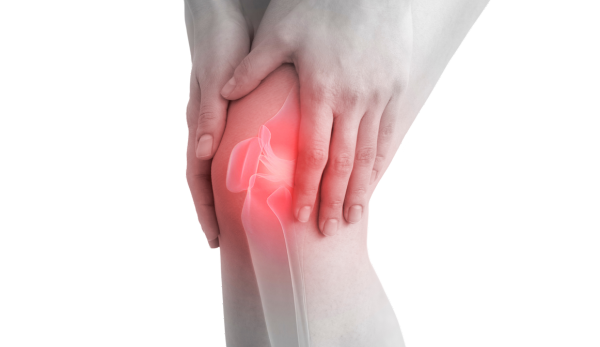
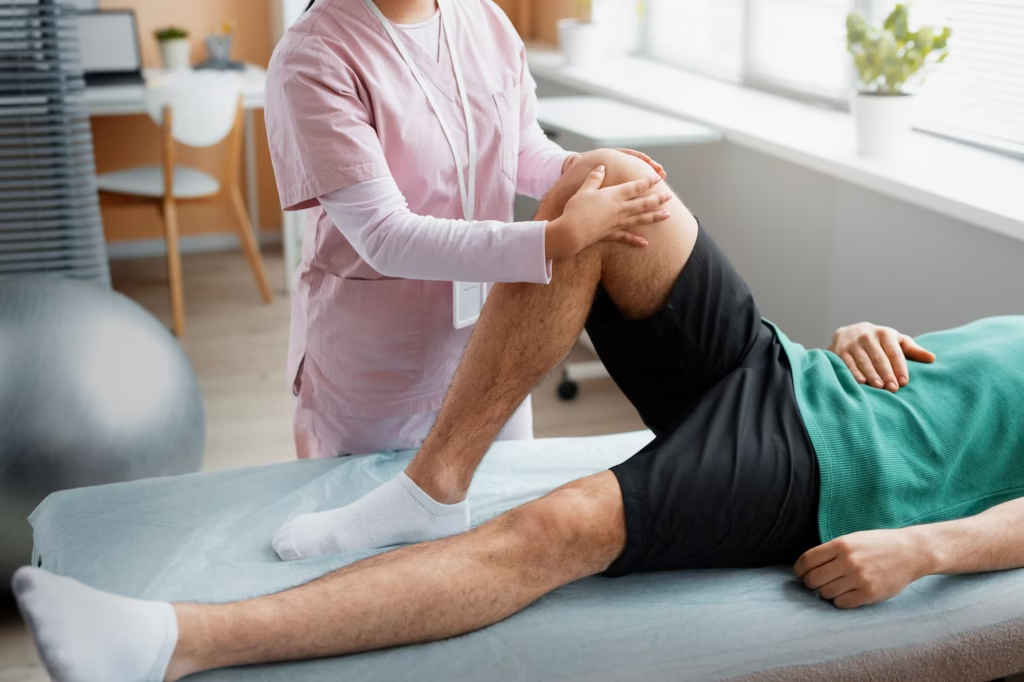
As with any rehabilitation after knee injury or surgery it can often be a long process and takes patience, consistency and the appropriate rehab program. Whatever it is that has been done to you whether it was ACL reconstruction, meniscus repair, cartilage treatment or even arthroscopic knee surgery the rehabilitation of the knee must take into account two things; restoring strength and mobility and stability. Among the types are performing appropriate knee exercises following injury under expert guidance is among one of the utmost necessities of recovery.
Dr. Nagraj Shetty at is an expert in advanced arthroscopy, sports surgery and complex knee preservation surgery. Not only is his surgical expertise an area of focus but he also provides a structured rehabilitation treatment plan to help ensure patients confidence to return back to activity.
In this blog, we will see about the top 7 exercises that help improve strength, flexibility and recovery post knee injury or surgery.
The Significance of Knee Rehabilitation Exercises
Whether due to pain, swelling or limited movement, the muscles around the knee often become weak. It can lead to stiffness, instability and decreased range of motion if the patient fails to rehabilitate correctly, leaving them in discomfort in the long-term.
Regular knee rehab exercises help:
- Improve muscle strength
- Restore knee movement
- Reduce swelling and stiffness
- Improve balance and stability
- Prevent future injuries
- Support faster recovery
Structured rehabilitation is particularly required after ACL reconstruction, meniscus repair and cartilage restoration. Rehabilitation is important in every case of knee injury.
Quad Sets
Quad sets are among the most basic yet efficient post surgery knee recovery exercises you can start early on despite a clinical gauged range of motion.
How to Perform
- Position your body by sitting or lying on the ground straight with your leg.
- You squeeze the muscles on the front of your leg.
- Gently press the back of your knee down toward the floor.
- Hold for 5 to 10 seconds.
- Relax and repeat.
Benefits
- Activates quadriceps muscles
- Improves knee stability
- Prevents muscle loss after surgery
- Aims to restore control of knee movement
This exercise is often prescribed in the very early stages of knee rehab because it causes low stress to the joint.
Straight Leg Raises
Straight leg raises are one of the most often advised post-operative knee strengthening exercises or after a ligament injury.
How to Perform
- Lie flat on your back.
- You will be sitting on a leg bent and recovering comb straight.
- Now lift the straight leg to approximately 12 inches off the ground.
- Hold for a few seconds.
- Lower it slowly.
Benefits
- More specifically, quads strengthening without knee flexion
- Improves hip and thigh strength
- Supports joint stability
- Reduces stress on healing tissues
This is a common exercise that patients coming back from ACL injuries or arthroscopic procedures can utilize.
Heel Slides
Heel slides are great knee rehab exercises used to increase flexibility and knee bending.
How to Perform
- Lie on the side with straight legs
- Slowly a certain level heel away from your hips.
- Bend as low as you comfortably can.
- Hold briefly.
- Pull it back with the first one.
Benefits
- Restores range of motion
- Reduces stiffness
- Improves knee flexibility
- Helps regain normal walking movement
The third point is to do flexion exercises because stiffness can cause delays in your recovery and decrease the range of motion.
Hamstring Curls
The hamstrings help to support the knee by strengthening the muscles at the back of the thigh.
How to Perform
- Hold onto a chair/wall and stand
- Gently bend your knee and bring your heel towards the back of your thigh.
- Hold for a few seconds.
- Lower your leg slowly.
Benefits
- Strengthens hamstring muscles
- Improves knee balance and stability
- Supports walking and stair climbing
- This keeps the pressure off your knee joint
These knee rehabilitation exercises after injury are especially useful through the middle period of recovery.
Wall Squats
Wall squats hold, in other words static knee strengthening exercises which cycle muscle endurance and stability
How to Perform
- Stand facing the wall with your back towards it
- Lower yourself into a partial squat, slowly.
- Keep your knees aligned with your feet
- Hold for 5 to 10 seconds.
- Slowly return to standing.
Benefits
- Builds quadriceps and glute strength
- Improves joint stability
- Enhances functional movement
- Facilitates return to sports and exercise
The Wall Squats need approval from the orthopedic surgeon or Physiotherapist as these exercises should be done after a few weeks only.
Step-Ups
Step-ups are great knee recovery exercises that mimic the normal walking and stair climbing motion.
How to Perform
- Use a low step or platform.
- With a recovering leg, step ahead slowly.
- Bring the other foot up.
- Step down carefully.
- Repeat slowly.
Benefits
- Improves balance and coordination
- Strengthens thighs and calves
- Restores daily functional movement
- Builds confidence during recovery
It is an exercise that allows patients to gradually return to regular physical activities in a safe manner.
Stationary Cycling
One of the best low impact knee exercises you can do after your surgery is stationary cycling as it begins to work on movement and endurance.
How to Perform
- A stationary bike with minimal resistance
- Begin pedaling slowly.
- Increase duration gradually.
- Avoid excessive resistance initially.
Benefits
- Improves knee flexibility
- Enhances blood circulation
- Strengthens leg muscles
- Supports smooth joint movement
Cycling is also pivotal later in rehabilitation post injury or surgery, when mobility tends to become less of a challenge.
Key Considerations Before Initiating Your Knee Exercises
Although these knee exercises after injury can help, it is important to follow an appropriate guided rehabilitation schedule.
Start Slowly
Avoid rushing recovery. When exercised too vigorously, this will ultimately lead to increased pain and swelling.
Focus on Proper Form
Poor technique can also generate excess stress on healing tissues.
Listen to Your Body
Slight discomfort is fairly normal after this type of procedure, but sharp pain should never be passed off as nothing.
Follow Medical Guidance
No surgery and injury are the same. A rehabilitation program should always depend on your medical condition.
Dr. Nagraj Shetty renders personalized treatment plans at Arthroscopy Surgery Mumbai based on the type of injury, surgery, activity level and return to sport goals for such patients going through rehabilitation.
Knee rehabilitation is needed for most instances such as:
There are many knee conditions that will need a specific rehabilitation protocol, including:
- ACL injuries
- Meniscus tears
- Cartilage damage
- Knee ligament reconstruction
- Patellar instability
- Sports injuries
- Arthroscopic knee surgery
Dr. Nagraj Shetty is a knee preservation surgeon who treats complicated cases using advanced arthroscopy techniques in restoring mobility in the patients so that they can continue with their active lifestyles.
Why Dr. Nagraj Shetty?
Dr Nagraj Shetty: Specialised in arthroscopy, sports orthopaedics, knee preservation surgeries. He is associated with some of the leading hospitals in Mumbai and has a vast experience of advanced arthroscopy, ligament reconstruction, cartilage restoration and management of sports injuries.
A patient-centric approach to his practice combines novel surgical modalities paired with individualized rehabilitation programs aimed at physical and functional recovery as well as joint preservation.
Conclusion
Rehabilitation of knee injury or surgery is very demanding in terms of commitment and choosing the right set of rehabilitation exercises. When referred to as leading 7 knee exercises, they can improve strength, suppleness, reliability and flexibility if practiced frequently as well and only after talking with a certified health professional.
To agree as well as coming from quad collections and heel slides to fixed cycling and also step-ups, every single exercise matters during recovery. Performing the right knee strengthening exercises, well-organized knee rehab exercises and safe post surgery knee exercises will have such a significant impact on your ability to return to normal activities sooner and minimise future complications.
Consult Dr. Nagraj Shetty at Arthroscopy Surgery Mumbai for knee pain or through recovery from arthroscopic surgery; also, For advanced preservation of the knees or if you need expert assessment and care!
FAQs
Knee strengthening exercises after injury
Top 6 Knee Strengthening Exercises: Quad Sets, Straight Leg Raises, Heel Slides, Wall Squats or Maybe wall sits, Hamstring Curls and Step-ups They allow for stability, flexibility, and improvement of the muscles.
When should you start doing knee rehab exercise following surgery?
This timing varies with the type of surgery and your surgeon’s recommendations. Often, knee rehab can begin a couple of days after surgery with your doctor’s supervision.
Can I do post surgery knee exercises on my own at home?
Post surgery, there are a few post surgery knee exercises that place very less stress on the joints and if your orthopedic surgeon or physiotherapist recommends, it can even be done at home. But it’s critical to have the right guidance and technique
Knee recovery exercises, how many times should you do it?
At almost every knee rehab program, you are encouraged to work on your exercises multiple times through the week. The specifics of frequency vary based on stage of recovery and individual condition.
Does knee strengthening exercises help in pain management and increase mobility?
The answer is yes, knee strengthening exercises can help increase joint stability, reduce stress at the knee joints, improve flexibility and promote long-term mobility.