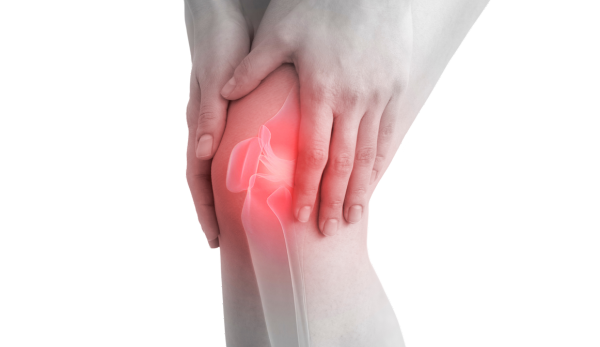
Knee injuries can be life altering. One of these is a tear in the Anterior Cruciate Ligament: ACL tear, which often sidelines individuals causing disruption in daily activities and sports aspirations. Thanks to advances in orthopedic care, however, the future for a patient facing ACL reconstruction surgery is recovery and renewed strength.
Reputed hospitals are partners with Arthroscopy Surgery Mumbai, where patients get the best treatment by Dr. Nagraj Shetty for ACL injury prevalent in people. By using state of the art techniques, arthroscopy and custom rehabilitation programs we aim not only to repair the ligament – but also to restore your knee’s stability and for you to get back on track in an active lifestyle.
What is ACL Reconstruction Surgery?
Your ACL is a tough band of tissue that connects your femur (thigh bone) to the tibia (shin bone). It has an important role of providing stability to the knee joint i.e. it stops the tibia moving forward relative to the femur too much, and keeps your knee mechanics in check when pivoting/jumping/cutting. If this ligament tears frequently during sports or as a result of trauma the knee can become unstable and may give way or buckle. Repeated instability can be injurious to other structures in the knee, such as the menisci or articular cartilage.
Since a torn ACL doesn’t usually repair itself, the proper path to stability and long-term knee health is often through surgery to reconstruct the ACL surgically replacing it with a graft. Hopkinsmedicine.
Dr. Nagraj Shetty provides various reconstruction options to meet the individual needs of each patient at Arthroscopy Surgery Mumbai such as Anatomic ACL Reconstruction, Graftlink with internal brace, BTB graft ( Bone – patellar tendon – bone), and central quadriceps grafts.
And because these surgeries are done with arthroscopy, small incisions and a tiny camera all of them are technically classified as minimally invasive ACL repairs (even if “repair” isn’t strictly the right term for what’s being done). It’s minimally invasive, which means it causes less trauma to soft tissue than other procedures and also less risk of infection and recovery is typically faster than with the older open surgery options.
When and Why ACL Repair is often needed
Whether or not you need ACL reconstruction is going to be dependent on a number of things: the extent of the tear in your ligament, your lifestyle and what kind of goals that you have long term. Some of the primary causes reconstruction is needed:
This includes cases where there is complete rupture of the ACL with substantial instability during walking, daily activities, or participating in sports.
If you are also active such as playing sports or working out, or have a type of work that needs your knee to be stable and want to return to an increase in the level of activity/exertion. If other structures in the knee (such as the meniscus, other ligaments or cartilage) are damaged and need to be treated along with ACL reconstruction, to protect that from getting worse.
So the knee does not collapse in and out further, which can cause further damage to cartilage or early arthritis of the joint.
While non-surgical treatment (bracing, physical therapy, muscle strengthening) may be effective in some instances especially for those with partial tears or low activity demands many patients who wish to live an active lifestyle and are looking for stability find that reconstruction is the most certain route.
What Happens During ACL Reconstruction
The surgical steps are usually as follows:
Anesthesia & Incision: General or in some cases regional block anesthesia is administered to the patient and knee is prepared. Arthroscopic operation is typically performed on a day-surgery or inpatient basis.
Graft The Graft Harvest: A graft is removed either from the patient, (his/her own tissue through an autograft e.g. hamstring tendon; patella tendon or quadriceps), or occasionally a donor for allograft in fewer centers.
ACL Debridement: The patient’s torn ACL remnant is trimmed or removed from the knee, and any rough edges are cleaned out to make space for your new ligament.
Tunnels in Bone & Graft Placement: Small holes are drilled into the femur and tibia at appropriate anatomic locations. The graft is passed through and placed so that it can serve as the new ACL, then secured with screws, buttons or other fixation devices. These act as a stabilizing support while the graft heals and incorporates.
Closure & Immediate Aftercare: The small incisions are closed, the knee is dressed, and frequently a brace or splint is placed. Patient may be ambulated with crutches and weight-bearing status as per surgeon preference.
Thanks to Arthroscopy Surgery Mumbai, Dr Nagraj Shetty personalizes the choice of graft (BTB, hamstring, quadriceps or graftlink plus internal brace) based on anatomy and lifestyle et long-term expectations in order to optimize knee function and stability.
Rehabilitation: Post-ACL Surgery Recovery & Exercises
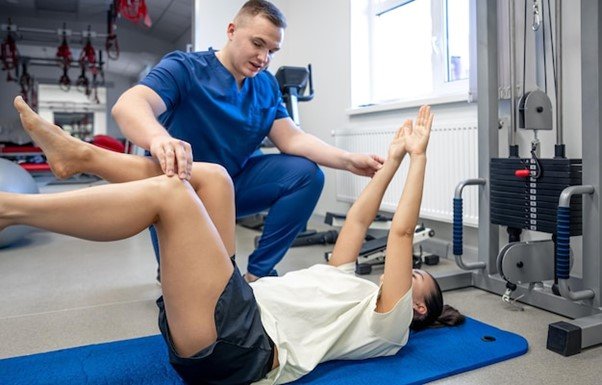
The Post-ACL Surgery Guide off the Shelf. After ACL Surgery About this guide This knowledge on paper…The intent of this book is to help you, its reader, better understand and address your new knee.
Post-ACL Rehab Exercises: Success after ACL Reconstruction. The longest road to recovery begins from, we believe, at the successfulness of post-ACL rehab exercises. Rehabilitation is not an afterthought it’s a fundamental factor in regaining strength, movement and stability through time.
Typical Timeline
Acute period (Week 0–2): Lower swelling, Manage pain, Protect the graft. Crutches and a brace or splint are commonly used by patients. Gradual knee-mobility and range-of-motion exercises are instituted early.
Early rehab (Weeks 3–6): Progress motion, safe simple strengthening to muscles around knee (quadriceps, hamstrings), gentle activation, and controlled weight-bearing as directed. Although the two girls are not currently ill they will remain captive for another 14 days.
Subacute phase (months 2–4): Full weight-bearing without crutches, progressive strength training and balance training, cycling or treadmill walking as progress allows. hopkinsmedicine.
Advanced strengthening & functional rehab (Months 4–6+) Progressive strengthening, coordination, functional activity training and controlled return to low-impact sports or activities.
Return to sport / full activities (6-9 months or more after surgery): Once the knee is stable, strong and range of motion comparable with their normal knee – patient can start slowly return to more aggressive sport, pivoting, cutting, jumping according to advice from surgeon/physiotherapist.
In general, most patients can anticipate a 6–9 month timeline for recovery before returning to most activities. For competitive athletes or people who engage in demanding sports, complete recovery (return to playing hard) may require up to a year based on individual recovery progress.
At Arthroscopy Surgery Mumbai, the programme is personalised for each patient with continuous and frequent follow ups to check progress, graft uptake and knee mechanics.
Considerations & When Reconstruction May Not Be Recommended
While surgical reconstruction of the ACL may often be considered the “gold standard,” for an injured or torn ACL, there are many instances in which it is not necessary or appropriate. Some patients may get by with conservative therapy:
Partial rupture or mild laxity may be treated with conservative methods (bracing, physiotherapy and muscle strengthening).
Non-surgical alternatives can spare some older and less active patients the need for surgery at all by preserving basic mobility without high demand activities.
For small tears or in circumstances in which the patient will not push the knee, a good rehabilitation protocol may be adequate. However, for some this are accompanied by risks of continued instability or subsequent injury to his cartilage or menisci, particularly if engaging in pivoting or twisting activities.
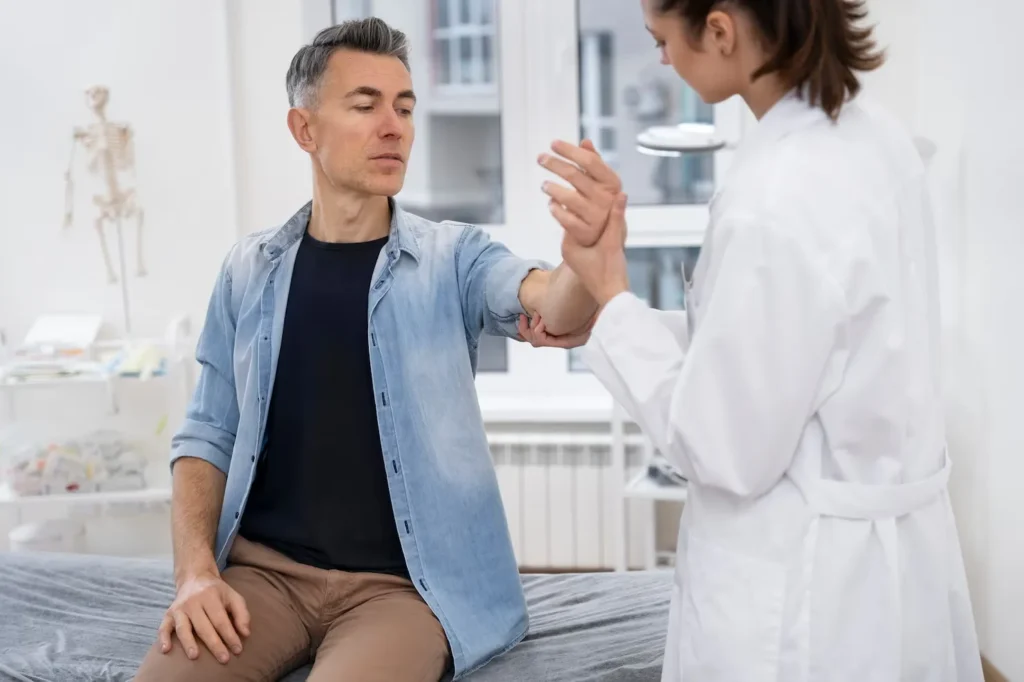
Ultimately, the best course of action should be based on assessing the injury, patient goals and long-term knee health — something that Dr. Nagraj Shetty and his Arthroscopy Surgery Mumbai team help expertly counsel after thorough evaluation.
Frequently Asked Questions (FAQs)
When do I need an ACL reconstruction?
ACL reconstruction is usually recommended when: You have a complete tear of the ACL and your knee is very unstable, also known as being loose or having a “giving way” feeling You are an athlete who participates in sports with cutting and pivoting movements A young person whose job requires a strong stable knee An active adult involved in physically demanding work (i.e. construction worker) It is also frequently recommended for associated injuries in the knee — like meniscus tears or cartilage damage — that would require treatment to ensure long-term joint health.
What happens during ACL reconstruction?
In reconstruction, the torn ACL is removed and substituted with a graft — from the patient’s own tissue (autograft) or, less commonly, from a donor (allograft). The surgeon drills tiny tunnels in the knee bones (femur and tibia), threads the graft through them, and then secures it with screws or other devices. It is usually performed through keyhole (arthroscopic) techniques so it’s mini-invasive and you recover more quickly.
How long does the recovery process take after ACL surgery?
The process of REGENERATE often starts soon after surgery and lasts for several months. General timelines:
Weeks 1-2: edema control, passive and active knee range of motion (ROM), early strengthening, ambulation with assistive device.
Weeks 3 to up to 6: increased motion and strength, partial weight bearing.
Months 2–4: Weight bearing, strengthening and balance for the full load.
Months 4–6+: advanced rehab, functional training and perhaps some light sports. This can take as long as 6–9 months for a full return to sports or other high-impact activities, based on the pace of recovery.
Why to choose Arthroscopy Surgery Mumbai & Dr. Nagraj Shetty for it?
For patients in Mumbai with advanced ACL care, Arthroscopy Surgery Mumbai is a safe way forward. With veteran guidance by Dr. Nagraj Shetty, who has performed hundreds of arthroscopic surgeries each year, patients will receive individualized attention with surgery techniques fit to their specific anatomy, activity demands and rehab goals.
Dr Shetty employs the latest minimally invasive, arthroscopic techniques and various graft choices (BTB, hamstring, quadriceps, graftlink with internal brace) to restore knee stability as much as possible.
Also because, through our model based via partnering hospitals, (NOT a standalone “clinic”), patients have access to all hospital infrastructure – imaging, operating theatre, post operative care and physiotherapy – making their journey from diagnosis to full recovery as safe and seamless possible.
Dealing with a Torn ACL? For anyone who has had their life and lifestyle limited as a result of a torn ACL, visiting Arthroscopy Surgery Mumbai can provide reinvigoration in the form of an expert recommended path to rebuilding your knees strength and getting back on track.
Dr. Shetty does not operate from a standalone private clinic. Instead, through Arthroscopy Surgery Mumbai, he works with several well-established hospitals across Mumbai — including Lilavati Superspeciality Hospital, P. D. Hinduja Hospital & Medical Research Centre, Thunga Hospital, Nanavati Max Super Speciality Hospital and CritiCare Hospital — and also extends his services at H. N. Reliance Foundation Hospital & Research Centre for patients seeking the highest standard of care in a full-service hospital setting.
Final Thoughts
The ACL tear can be catastrophic — but it doesn’t mean the end of your athletic life or your active lifestyle. Recovering from ACL reconstruction surgery with the help of experienced hands such as that of a surgeon like Dr. Nagraj Shetty and despite it being one of the most complicated procedures, and if post-surgery rehabilitation is done correctly, many can rebuild strength, regain stability and get back to your favourite sports or daily activities.
Whether it’s because you’re an athlete or because knee stability affects your ability to move through life, the right intervention at the right time, along with a personalized approach and dedication to rehab can mean everything. At Arthroscopy Surgery Mumbai, you receive just that: professional care, reliable operations as well as a solid recovery plan.