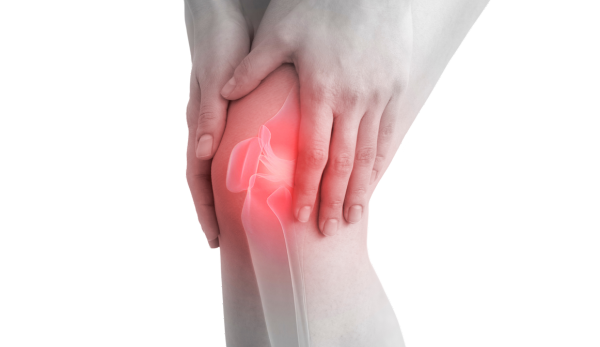
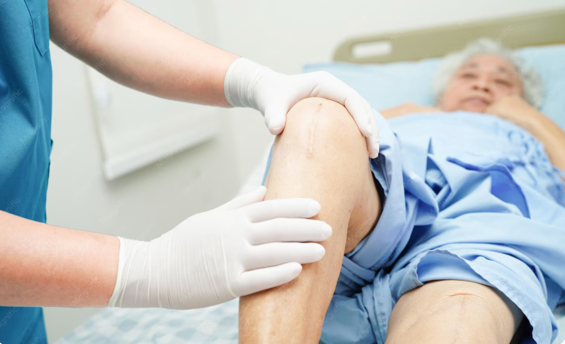
ACL tear (Anterior Cruciate Ligament Tear) is one of the most common knee injuries involved in the majority of active or sport persons. It can also happen as a result of vehicular trauma, the slipping of your foot on the accelerator or brake pedals in an automobile, sudden twists, fall or unnatural postures during activities and landing awkwardly after jumps. If the ACL injury is not treated, instability of the knee occurs, limiting mobility and causing damage to other joints.
More Info: If you are searching for the Best arthroscopic knee surgeons in Mumbai, then it is crucial to choose an experienced specialist who can make an accurate diagnosis and recommend surgical treatment along with a structured rehabilitation plan. Dr. Nagraj Shetty is a highly trained and experienced arthroscopy and sports orthopaedic surgeon, who specializes in ACL reconstruction and complex knee preservation surgery. He carries out surgeries at eminent hospitals throughout Mumbai employing arthroscopic methods.
Understanding an ACL Tear
Both the ACL and PCL are these important ligaments that hold a joint stable. It connects the femur to the shin bone (tibia) and prevents abnormal forward motion and rotation of the knee.
An ACL tear typically happens during:
- Accelerating Force Changes
- Landing incorrectly after a jump
- Sports involving pivoting movements
- Direct impact to the knee
- Road traffic accidents
Common symptoms include:
- The sound of a pop at the moment of injury
- Immediate swelling
- Severe knee pain
- Difficulty walking
- Feeling of instability or buckling of the knee
This can cause meniscal injuries, cartilage breakdown, and early-onset arthritis if its left unchecked.
Diagnosis of an ACL Tear
Of course, diagnosing the type of injury at such an early stage will help determine how physically damaging it will be and what possible plan for treatment would be best.
The evaluation typically includes:
- Detailed medical history
- Physical examination
- Knee stability tests
- MRI for ligament and cartilage injury assessment
- X-rays to rule out fractures
In light of the conclusions, Dr. Nagraj Shetty guides for either conservative management or arthroscopic ACL reconstruction depending on the power level, age and brutality of the injury.
ACL Tear Treatment Options
The approach to the treatment is on the basis of several factors which include the lifestyle of the patient, occupational status, age and future goals regarding activity.
Non-Surgical Treatment
If inactive or with partial ACL tears, conservative treatment may help.
This usually includes:
- Rest and activity modification
- Ice therapy
- Knee brace support
- Anti-inflammatory medications
- Physiotherapy
- Muscle strengthening exercises
Non-surgical treatment may alleviate symptoms; however, a completely torn ACL cannot be restored with exercise or bracing. Patients who wish to engage in sports and physically demanding occupations often need surgical reconstruction to restore full stability of the knee.
Arthroscopic ACL Surgery
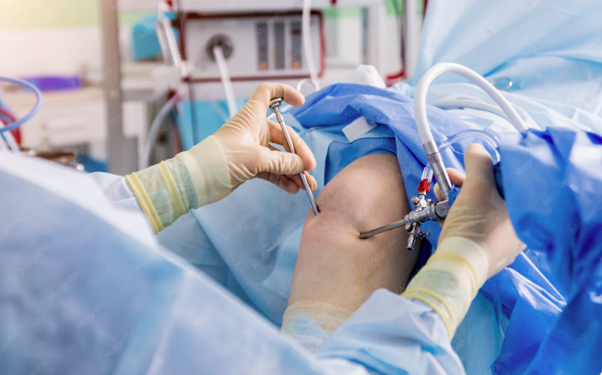
AbstractBackground: Total ACL tears are most widely treated with arthroscopic partial cruciate ligament Reconstruction as the standard of care. It is a type of outpatient surgery that uses a small camera, called an arthroscope and thin surgical instruments.
During surgery:
In this procedure, the surgeon will downsize a few minor incisions about the knee area.
The damaged ligament is removed.
Type of surgery: This involves replacing the ACL with a tendon graft.
The graft is fixed in place to restore the stability of the knee
As it is a minimally invasive technique, patients usually experience less pain, smaller scars and quicker recovery than with traditional open surgery.
Arthroscopic techniques due to their accuracy, faster recovery, and good long-term results are the first choice of several patients looking for the Best arthroscopic knee surgeons.
Recovery After ACL Surgery
Recovery is a slow process that blends healing with action based rehabilitation.
First Two Weeks
During the initial phase:
Pain and swelling are managed.
Gentle knee movement begins.
You may be advised to walk with support.
Physiotherapy starts early.
Weeks 2 to 6
Patients gradually regain:
Knee movement
Muscle strength
Better walking ability
Improved balance
Physiotherapy is vital at this stage and must be continued regularly.
Months 3 to 6
Once strength is stabilised, the goal of rehabilitation becomes:
- Functional exercises
- Balance training
- Sport-specific movements
- Controlled jogging
When the strength, stability and function of the knee is adequate to allow return to sports considerations for patients are admissible only after that time.
Rehabilitation After ACL Surgery
ACL treatment success does not only rely on surgery – it equally depends on rehabilitation.
A structured rehabilitation program usually consists of:
- Range of motion exercises
- Quadriceps strengthening
- Hamstring strengthening
- Core stability exercises
- Balance and proprioception training
- Functional movement training
- Gradual return to sports activities
The strictness in following the rehabilitation program leads to better outcomes for patients in the long term.
Why Choose Dr. Nagraj Shetty?
Choosing an experienced arthroscopy specialist is a key factor in successfully treating the ACL.
Dr.Nagraj Shetty is an expert in complex knee preservation and arthroscopic knee surgeries. He has years of experience in sports orthopaedics and is skilled in using advanced arthroscopic techniques to diagnose and treat ligament injuries, meniscus tears, cartilage damage and complex knee conditions. He performs surgeries at various top hospitals all over Mumbai, so that patients get good quality patient care through modern surgical setup.
People looking for Best arthroscopic knee surgeons are on the hunt of very well trained, experienced surgeons and doctors who use multiple treatment options like Surgicals and Nonsurginals and are patient-friendly. Individuals are often advised to approach treatment plans which help individuals safely return back to better fitness and sport. For more details, please visit https://arthroscopysurgerymumbai.com/
Tips to Prevent ACL Injuries
Not all injuries are preventable, but you can help minimize the risk by:
- Strengthen leg muscles regularly.
- Warm up before exercise.
- Practice proper landing techniques.
- Improve balance and flexibility.
- Wear appropriate footwear.
- The single most important rule here is to avoid sudden rise in training.
- Follow sports-specific conditioning programs.
Having your knee checked is an important way to avoid long-term problems by helping you sort out the best treatment options as soon as possible.
Frequently Asked Questions
Treating the ACL tear non-operatively
Yes. Non-operative management in the form of physiotherapy, strengthening exercises, activity modification and bracing may be beneficial for partial ACL tears or patients that are less active. Nevertheless, total ACL ruptures in high-level athletes typically demand surgery to ensure adequate stability of the knee.
Let us now cover the common exercises in ACL tear treatment.
Rehabilitation exercises typically include quadriceps strengthening, straight leg raises, hamstring strengthening, heel slides and balance training stationary cycling or range of motion exercises. These should always be done under the guidance and role of a physiotherapist.
What is the recovery of ACL surgery?
These may take time to recover from, as it will differ per individual and how they progress through the rehabilitation process. Although the duration of return to normal daily activity is typically within months, return to sports activity usually takes approximately 6 to 9 months after surgery and is guided by strength and stability assessment.
What are the Benefits of Arthroscopic ACL Surgery?
Some beneficial features of Arthroscopic ACL surgery are smaller incisions, less pain, decreased blood loss, a lower risk of infection, faster recovery with minimal scarring and better visualization of the knee joint during the time of surgery. All of these factors translate to a great functional outcome in conjunction with appropriate rehabilitation.